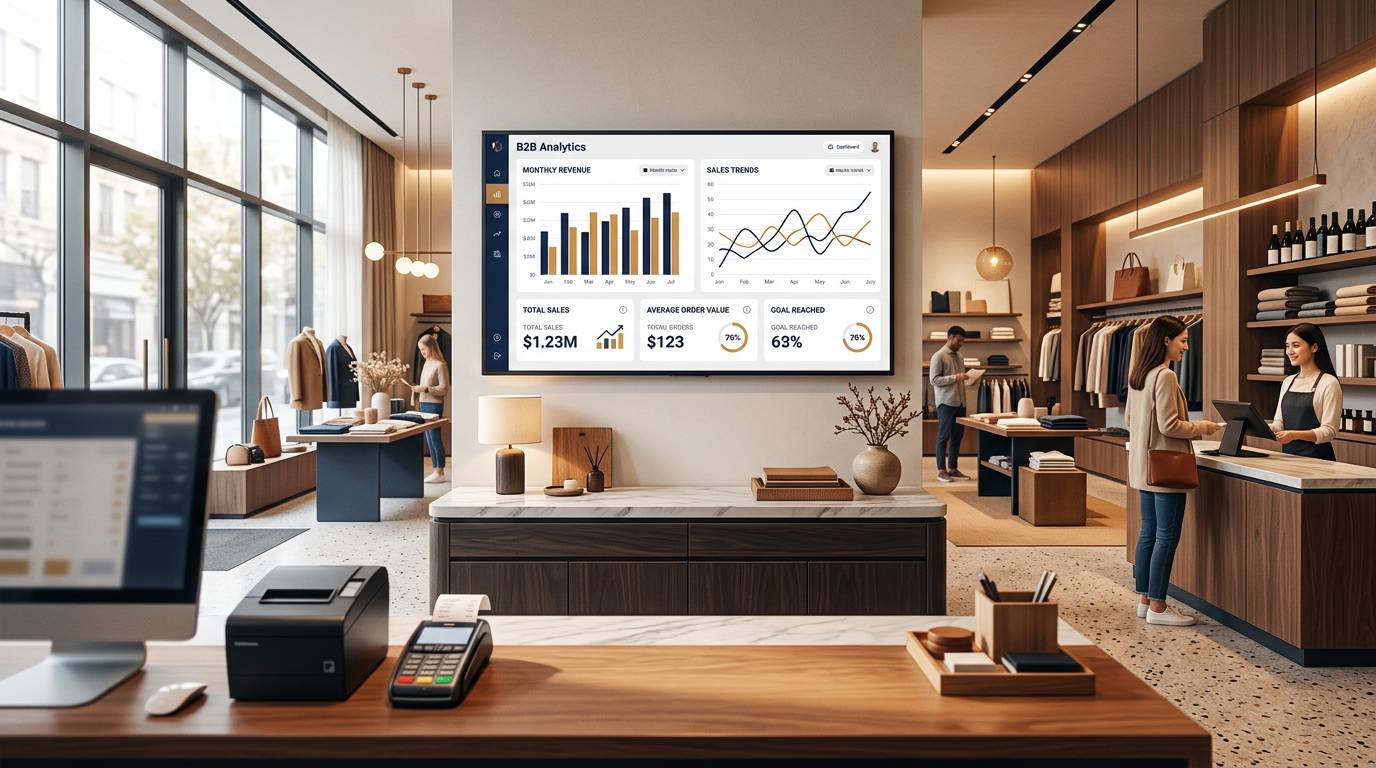
Retail Intelligence: Turning POS Data into Fast Decisions
Retail intelligence enables retailers to convert vast POS data into immediate operational decisions. This approach addresses the gap between data collection and execution in inventory, pricing, and staffing. By integrating AI-driven analysis, stores achieve precise demand forecasts and responsive adjustments that minimize waste and maximize sales.
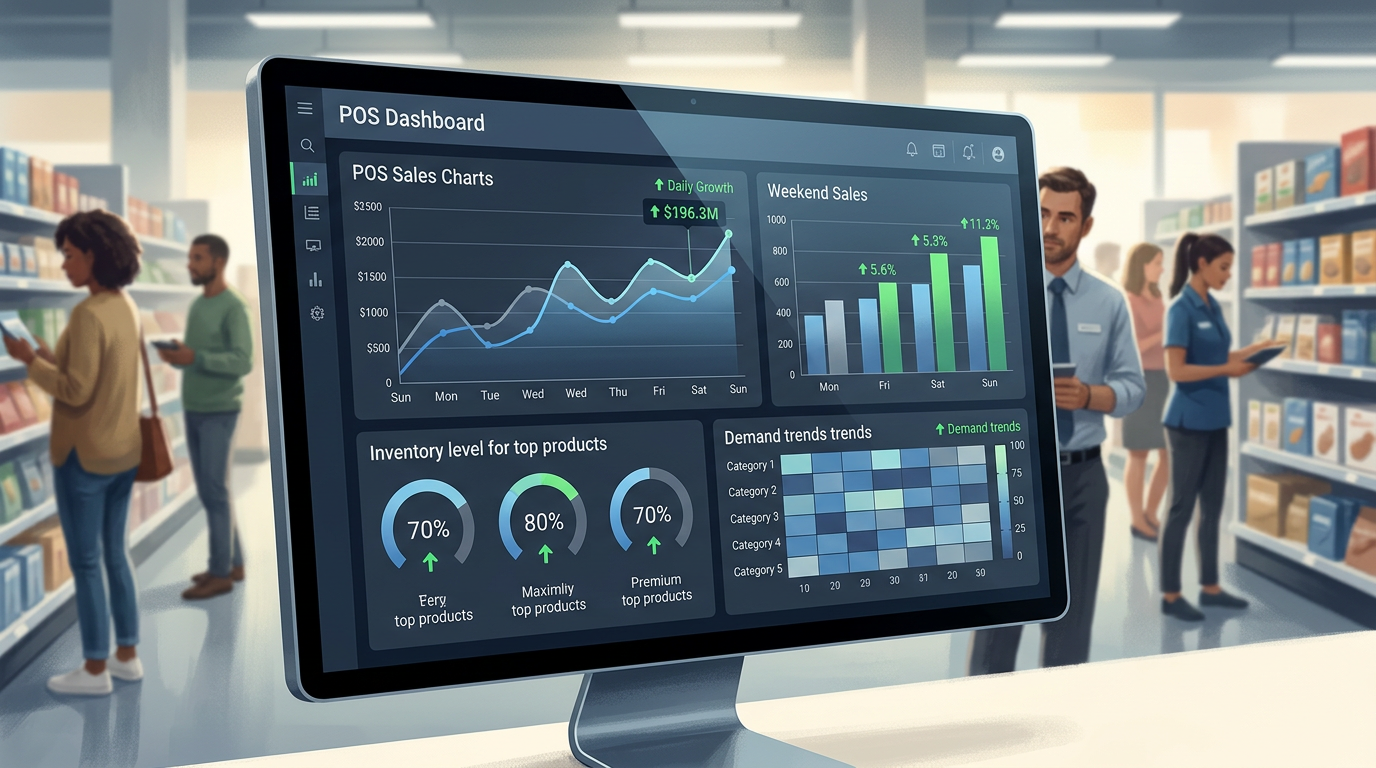
Retailers generate terabytes of point-of-sale (POS) data every day, capturing every transaction across thousands of stores. Yet much of this data sits unused, buried in silos that delay critical responses to shifting customer demand. The result? Stockouts that frustrate shoppers, overstocked shelves tying up capital, and pricing missteps that erode margins. Forward-thinking chains recognize that retail intelligence bridges this divide, processing POS streams to deliver decisions in hours, not weeks.
The Untapped Value in POS Data
POS systems log granular details: which products sell, when, and where. A single chain might process millions of line items daily, revealing patterns in basket composition or peak-hour traffic. Without proper analysis, these signals fade into noise. Retail intelligence platforms ingest this data in real time, applying machine learning to detect anomalies like sudden demand spikes for seasonal items.
Consider a grocery retailer facing volatile produce sales. Traditional reports might flag issues days later, but retail intelligence correlates POS data with external factors—weather, local events—to forecast shortages. This shifts operations from guesswork to precision, ensuring shelves stay stocked without excess waste.
Executives often overlook how POS data extends beyond sales tracking. It informs cross-category insights, such as how promotions on one item lift adjacent categories. By centralizing this under retail intelligence, teams gain a unified view that accelerates adjustments across the enterprise.
Integrating Retail Intelligence for Inventory Management
Inventory decisions drive retail profitability, yet manual processes lead to errors. Retail intelligence automates replenishment by analyzing POS trends against historical baselines. For instance, if data shows a 20% uptick in electronics during back-to-school, algorithms adjust order quantities automatically.
This capability shines in multi-channel environments. Online orders pull from the same POS-fed pool, preventing overselling. Chains using retail intelligence report fewer out-of-stocks, directly tying to higher customer retention. The key lies in data pipelines that clean and enrich POS inputs, ensuring forecasts account for variables like supplier delays.
Leaders in merchandising can simulate scenarios: What if a competitor discounts a staple? Retail intelligence runs projections from current POS velocity, recommending counter-moves. Such foresight minimizes markdowns and protects revenue.
- Real-time stock alerts: POS data triggers notifications when levels dip below thresholds, prioritizing high-turnover SKUs.
- Demand segmentation: Breaks down sales by store demographics, tailoring inventory to local preferences.
- Waste reduction: For perishables, predicts slow-movers to adjust ordering and cut spoilage.
These features turn data into a competitive edge, especially as supply chains face ongoing disruptions.
Accelerating Pricing Strategies with POS Insights
Pricing remains a high-stakes game in retail, where small changes yield big impacts. POS data provides the pulse: elasticity by product, region, and time. Retail intelligence processes this to optimize dynamic pricing, testing adjustments on the fly without broad exposure.
Dynamic pricing isn't new, but tying it to POS granularity is transformative. A department store might raise prices on impulse buys during evenings when data shows higher traffic, then revert based on response. This granular control boosts margins while maintaining perceived value.
For operations heads, the benefit extends to promotional effectiveness. Retail intelligence evaluates lift from deals, using POS attribution to measure true incremental sales. Over time, this refines assortment strategies, phasing out underperformers.
In competitive sectors like apparel, where trends shift weekly, retail intelligence enables agile responses. Data from POS reveals which styles resonate, informing markups that align with demand curves. The outcome? Fewer clearance events and steadier cash flow.
Enhancing Store Operations Through Data-Driven Staffing
Store-level execution often determines success, yet staffing mismatches plague many retailers. POS data highlights footfall and conversion rates, but retail intelligence elevates this to predictive scheduling.
By forecasting busy periods from transaction patterns, platforms suggest optimal shifts. A mall anchor store, for example, aligns extra hands with POS-detected rushes, improving service without overtime bloat. This directly lifts sales per hour, a metric analytics teams track closely.
Beyond labor, retail intelligence flags operational bottlenecks. If POS shows long queues at certain registers, it prompts layout tweaks or tech upgrades. For chains with hundreds of locations, scaling these insights via centralized dashboards ensures consistency.
IT leaders appreciate the integration ease: POS feeds connect to existing ERP systems, layering intelligence without overhauls. The result is empowered store managers who act on data, not intuition, fostering a culture of accountability.
Measuring Impact and Scaling Retail Intelligence
Adopting retail intelligence demands clear ROI benchmarks. Start with baseline metrics from POS: turnover ratios, sell-through rates, and exception volumes. Post-implementation, track improvements—fewer stockouts, tighter inventory days, higher promo ROI.
Deloitte's 2023 Retail Industry Outlook emphasizes how data orchestration across operations yields measurable gains, with top performers seeing 15-20% efficiency lifts in key areas. McKinsey echoes this in their analysis of retail productivity, noting that analytics-driven decisions unlock growth by streamlining front-line processes.
For enterprise retailers, scalability matters. Platforms must handle seasonal surges without latency, using cloud infrastructure for elasticity. Analytics teams benefit from customizable models, adapting to unique data sources like loyalty programs.
Challenges arise in data quality—dirty POS inputs lead to flawed outputs. Retail intelligence mitigates this through validation layers, ensuring reliability. Over time, as adoption grows, the system learns, refining accuracy across categories.
Ultimately, retail intelligence positions data as a strategic asset. It empowers executives to navigate uncertainty, from economic shifts to consumer whims, with confidence grounded in facts.
Ready to harness your POS data for sharper decisions? Schedule a demo with Data Archos at dataarchos.com to explore tailored retail intelligence solutions.
Frequently Asked Questions
What exactly is POS data in retail?
POS data includes transaction details like sales volume, product SKUs, timestamps, and customer behavior captured at checkout systems. It forms the foundation for understanding real-time retail performance.
How does retail intelligence differ from basic analytics?
Retail intelligence goes beyond reporting by applying AI to POS data for predictive insights and automated recommendations, enabling proactive decisions rather than reactive ones.
Can small retailers benefit from retail intelligence?
Yes, scalable platforms make retail intelligence accessible for smaller operations, helping them compete by optimizing limited resources like inventory and staff scheduling.
What metrics improve with POS-driven decisions?
Key metrics include inventory turnover rates, stockout incidents, pricing accuracy, and sales per labor hour, all enhanced through targeted insights from POS data.
How quickly can retailers implement retail intelligence?
Implementation varies, but cloud-based solutions allow integration within weeks, starting with core POS feeds to deliver initial insights on demand patterns.
Sources
- Retail’s productivity puzzle: How operations can unlock growth — McKinsey & Company
- 2023 Retail Industry Outlook — Deloitte